Shortlisting candidates is usually a common practice in the initial stages of a company’s selection process.
In this article, we will explore its meaning and we will clarify why shortlisting candidates is important. Additionally, we will explain how technology, and particularly, AI-powered smart tools, can help streamline the process.

Shortlisting candidates meaning
In fact, it is a crucial stage in finding the professionals that the company needs and it is an effective way to establish the basic requirements that candidates must meet in order to be considered for the interview stage.
The shortlisting of candidates refers to the first stage of the personnel selection process where potential candidates are identified as the best ones who meet the requirements of the profile that the company is looking for a job offer.
In this sense, it is the best way to pre-select and identify the profiles of candidates who meet all or most of the requirements of the job offer published by the company.
Once the shortlisted candidates have passed this first screening, they will most likely be called for a face-to-face or remote job interview.
How to shortlist candidates for interviews
The main objective of a shortlisted candidates list is to simplify the selection process in order to save time and effort for the hiring manager.
Therefore, the better the list of candidates, the greater the chances of finding the best one.
So as to create an efficient shortlist and make good strategic decisions, we recommend the following steps:
1. Set a minimum number of requirements per candidate
The first thing you should do is analyze all the requirements of the position to be filled in our company.
Once you have verified this, you will eliminate a number of candidates who do not meet the level of education, experience, or other skills that are essential for the position.
2. Define the additional requirements that add value to the candidate
Now that you have a baseline of what you are looking for in a candidate, then you can focus on other qualities, certifications, or knowledge that may be of interest to the position, even if they are not essential to its development.
We mean, what else do you expect or need from the candidate?
A good reference can be to look at people who have been in the position and remember what they lacked or what additional skills convinced you of that person.
This will be so helpful to narrow down the shortlist a bit more.
3. Decide the length of the list
If you are in doubt about how many candidates are usually shortlisted for an interview, the answer is simple: as many as you can handle in your team.
Take into account that it all depends on the time you have to conduct the interviews, the urgency of the hiring, and the duration of your onboarding plan.
The best solution is to create a pool of candidates that you can even partially analyze. Think about how many you can meet and stick to that number to make the process effective.
In this sense, if you find it difficult to manage the list because it is too long, you can conduct some pre-interviews over the phone. You can also request some type of online test to assess knowledge and eliminate more candidates.
4. Focus on the start with the favorites
The first screening to be done is clear and consists of discarding all those profiles that you know for sure do not meet your preselection criteria. Focusing from the outset on those you think may be ideal candidates will help you optimize your time and resources.
Since it is likely that you will not find the perfect profile right away, we recommend that you make a preliminary selection by adding those who have nuances or details that you like, that catch your attention, or that you want to know more about.
In this way, you will be able to create a list with sufficient potential and you will avoid leaving behind those you consider to be the strongest candidates.
Do you want to stay on top of the latest trends in eLearning, EdTech, and Human Resources?
Fill out the form to receive our weekly newsletter with industry insights from our experts.
5. Be sure to create a diverse list
You may really like a profile with a specific experience, but it is important to keep other doors open, so we recommend that you keep a lot of variety in the candidates you shortlist.
Who knows, you may end up discovering skills in some of the candidates you interviewed that you did not anticipate and that can enhance the performance of the profile you are hiring.
6. Design your own profile rating
To prioritize shortlisting candidates, you can create your own scoring system with more complex variables or simply choose to rate the profiles you find from one to ten.
This doesn’t mean you have to hire everyone who gets a 10, but at least you have a range and priorities to rely on when previewing these profiles.
Of course, keep in mind that it’s a live score and that it can change throughout the process.
7. Create backups and folders with profiles
After all the work you put into the entire shortlisting process, the least you can do is make backups and store the data in a safe place. All this information can be useful for future processes.
You can even use it for the same process if one of your first options fails and you can always go back to the list to look for other qualified candidates.
8. Call applicants from the list for a final interview
Now all you have to do is go back to the list and contact the candidates you want to interview.
If any of the first options fail, you will be able to fill the gap with another interesting candidate thanks to all the information you have in this list.

Digital tools: transforming candidate shortlisting
In modern recruitment, technology plays a crucial role in streamlining the candidate shortlisting process. Talent acquisition specialists no longer need to spend countless hours manually reviewing resumes, screening profiles, and validating skills.
Modern tools now allow much of this work to be automated, making the process faster, more efficient, and less prone to human error.
Applicant Tracking Systems
Applicant Tracking Systems (ATS) help recruiters handle large volumes of applications by automatically filtering out resumes that don’t meet the desired criteria.
These systems can scan and analyze CVs, organize candidate information in a structured format, and streamline the overall shortlisting process, ultimately saving recruiters significant time and effort.
Examples of ATS include Workday, BambooHR, and Greenhouse.
Other smart hiring tools
Although many ATS platforms are already powered by AI and offer advanced features, recruiters can further enhance their workflows by integrating additional tools that automate specific tasks, such as:
- Candidate sourcing platforms that automatically search the web to identify and attract potential talent. Examples: HireEz, SeekOut.
- AI recruiting avatars that conduct initial screenings through automated video or audio interviews. Examples: Tengai, Braintrust.
- Interview scheduling tools that allow candidates to choose available time slots that fit the recruiter’s calendar. Examples: Calendly, GoodTime.
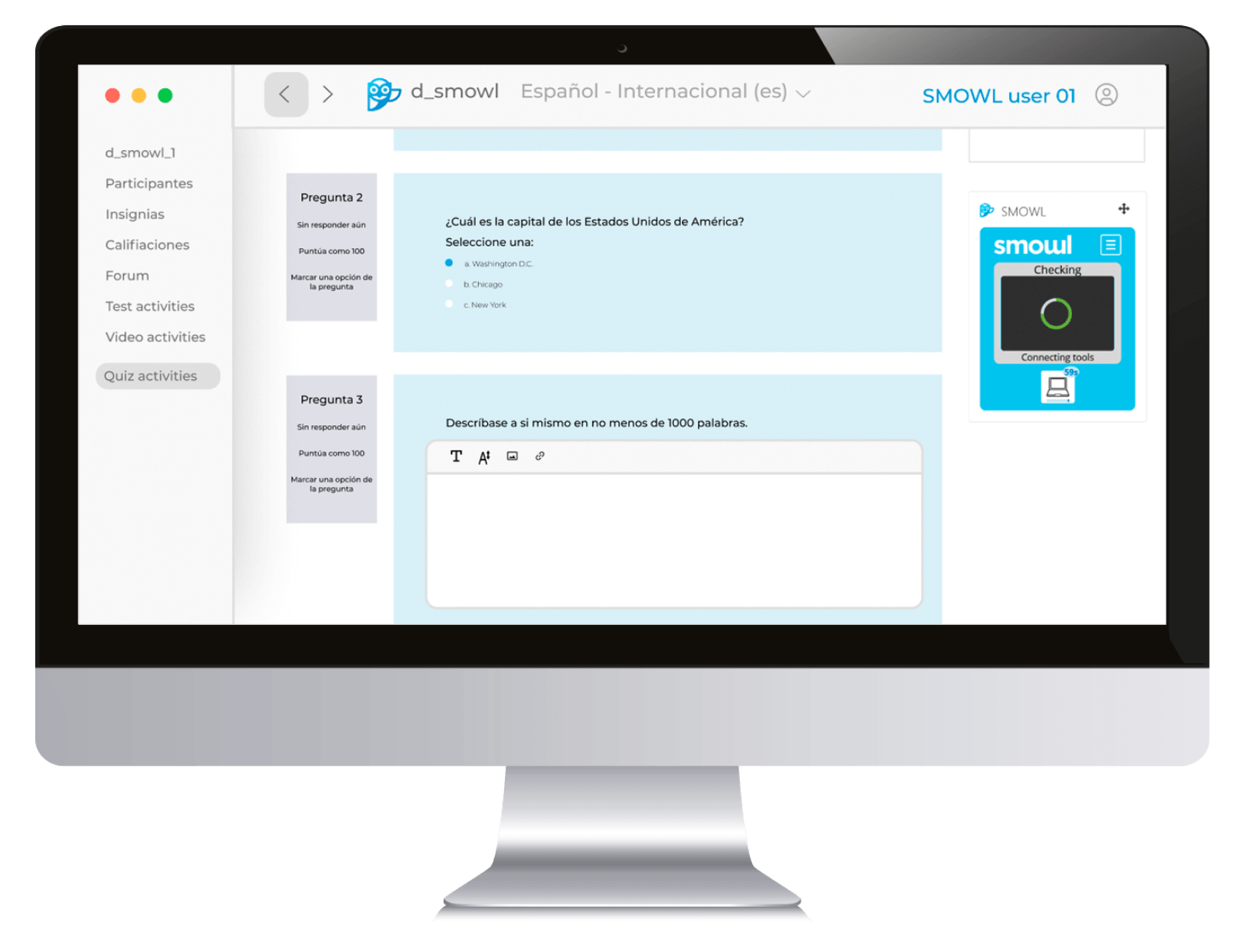
- Proctoring solutions that help maintain academic integrity during pre-employment assessments. Example: SMOWL. Request your free demo now and let us show you how it can be done.
Benefits of technology for shortlisting candidates
Technology offers numerous benefits to talent acquisition specialists, making the candidate shortlisting process faster, more accurate, and easier to manage. Some of the key advantages include:
- Efficiency: Automated systems can quickly screen large volumes of applications, identify qualified candidates, and organize data, significantly reducing the time spent on manual review.
- Cost saving: By streamlining the recruitment workflow and reducing repetitive administrative tasks, technology helps companies lower hiring costs and allocate resources more effectively.
- Flexibility: Digital tools allow recruiters to adjust selection criteria, filter candidates based on changing needs, and manage the process remotely or collaboratively across teams.
- Reduced bias: AI-powered platforms and tools promote fairer evaluations by focusing on objective data rather than personal opinions or unconscious bias.
- Data-driven decisions: Recruitment technologies collect and analyze valuable data, allowing hiring teams to make more informed and strategic decisions.
- Compliance: Technology helps maintain consistent, transparent, and well-documented hiring practices, ensuring compliance with labor laws and company policies.
Overall, using technology for shortlisting candidates enhances both the efficiency and quality of the recruitment process, helping organizations make more informed and equitable hiring decisions.
Shortlisting candidates: takeaways
Shortlisting candidates is a fundamental step in any recruitment process, as it ensures that only the most qualified and suitable applicants move forward to the next stage.
By applying best practices and utilizing modern digital tools like Applicant Tracking Systems and AI-driven platforms, organizations can optimize their shortlisting process, enhancing efficiency and saving valuable time in different stages of recruitment.
FAQs – Shortlisted candidates
Shortlisted candidates meaning
Shortlisted candidates are those applicants who closely match the job requirements and have been selected to move forward in the recruitment process. In other words, their profiles have stood out among many others, and they are being considered for the next stage, such as an interview or additional evaluation.
How many candidates are usually shortlisted for an interview?
The number of candidates shortlisted for an interview varies depending on the company, the recruiter’s preferences, and the stage of the hiring process. Some organizations may shortlist only a few top applicants for efficiency, while others may select a larger group to ensure a broader comparison of skills and experience. Typically, this number can range from a handful of candidates to several, depending on the role and recruitment strategy.
Does shortlisted mean you got the job?
Being shortlisted does not mean that a candidate has been offered the job. It simply indicates that their application met the key requirements and they have been selected to move forward to the next stage of the hiring process, such as an interview or assessment. Final hiring decisions are made after these subsequent evaluations are completed.
Updated on