Digital goods have surged in popularity, offering unprecedented convenience and variety to consumers and businesses alike.
In today’s digital age, the concept of goods has evolved dramatically. Traditional physical products are no longer the only items exchanged in the marketplace.
These intangible products, delivered electronically, encompass everything from e-books to software, revolutionizing the way we buy and sell.
In this article, we’ll explore what digital goods are and delve into the various types that have become integral to our daily lives.

What are digital goods?
Digital goods are intangible products sold online. Unlike physical goods, they are delivered electronically.
They encompass a wide range of products, providing various benefits to both sellers and buyers. These goods are instantly accessible, eliminating shipping costs and wait times.
Types of digital goods
The digital marketplace is diverse, offering an array of products to meet various needs and preferences.
Understanding the different types of digital goods is essential for both consumers and sellers. Each category brings unique benefits and serves distinct purposes, reflecting the dynamic nature of our digital economy.
Below, we explore the primary types of digital goods that have become integral to modern life.
Do you want to stay on top of the latest trends in eLearning, EdTech, and Human Resources?
Fill out the form to receive our weekly newsletter with industry insights from our experts.
E-books and Online Courses
E-books are popular digital goods. They offer vast knowledge in an accessible format. Online courses, another digital product, provide structured learning.
Online educational platforms like Moodle, Udemy, and Coursera have revolutionized education by offering courses on various subjects.
These digital products cater to learners seeking convenience and flexibility.
Software and Applications
Software and applications are essential digital goods. They range from productivity tools to entertainment apps.
Users download these products directly to their devices.
This category includes operating systems, antivirus programs, and creative software like Adobe Photoshop. Applications enhance user experiences across different devices.

Music and Videos
Digital music and videos have transformed the entertainment industry. Services like Spotify and Netflix provide instant access to vast libraries of content. Users can stream or download their favorite songs, movies, and shows.
This accessibility has shifted consumer behavior towards on-demand entertainment.
Digital Art and Graphics
Digital art is a growing market. Artists create and sell their work online, reaching a global audience. Graphics, templates, and design assets are valuable resources for creatives.
Websites like Etsy and Creative Market facilitate the sale of these digital goods. This market empowers artists to monetize their talents effectively.
Online Services and Subscriptions
Online services, including subscriptions, are crucial digital products. These range from cloud storage solutions to streaming services. Subscription models offer recurring revenue for businesses.
They provide users with ongoing access to valuable services, ensuring continuous engagement. This category is closely related to Software as a Service (SaaS) platforms, which deliver software applications over the internet.

Benefits and challenges of digital goods
The rise of digital goods has brought about numerous advantages that make them increasingly popular among consumers and businesses.
From instant access to cost efficiency, these benefits are driving the growth of the digital marketplace.
Understanding these advantages can help both sellers and buyers make informed decisions and leverage the full potential of digital products.
Below, we delve into the key benefits of digital goods.
- Instant Delivery and Accessibility: Digital goods offer instant delivery. Buyers receive products immediately after purchase. This speed enhances customer satisfaction. Accessibility is another key benefit. Digital goods are available 24/7, catering to a global market without geographical limitations.
- Lower Production and Distribution Costs: Producing and distributing digital goods is cost-effective. There’s no need for physical materials or shipping. This efficiency translates to higher profit margins for sellers. It also allows for competitive pricing, benefiting consumers.
- Scalability and Flexibility: Digital goods are easily scalable. Sellers can distribute them to an unlimited audience without additional costs. This scalability offers significant growth potential. Flexibility in product offerings also allows for customization. Sellers can update or modify products based on consumer feedback, ensuring ongoing relevance.
But there are some challenges related to digital goods as well, like:
- Piracy and Copyright Infringement: Piracy is a major concern for digital goods. Unauthorized distribution affects revenue and intellectual property rights. Sellers must implement robust security measures to protect their products. Copyright infringement remains a persistent issue, requiring constant vigilance.
- Competition and market saturation: The digital marketplace is highly competitive. New products are continuously introduced, leading to market saturation. Sellers must differentiate their offerings to stand out. Effective marketing and unique value propositions are essential for success.
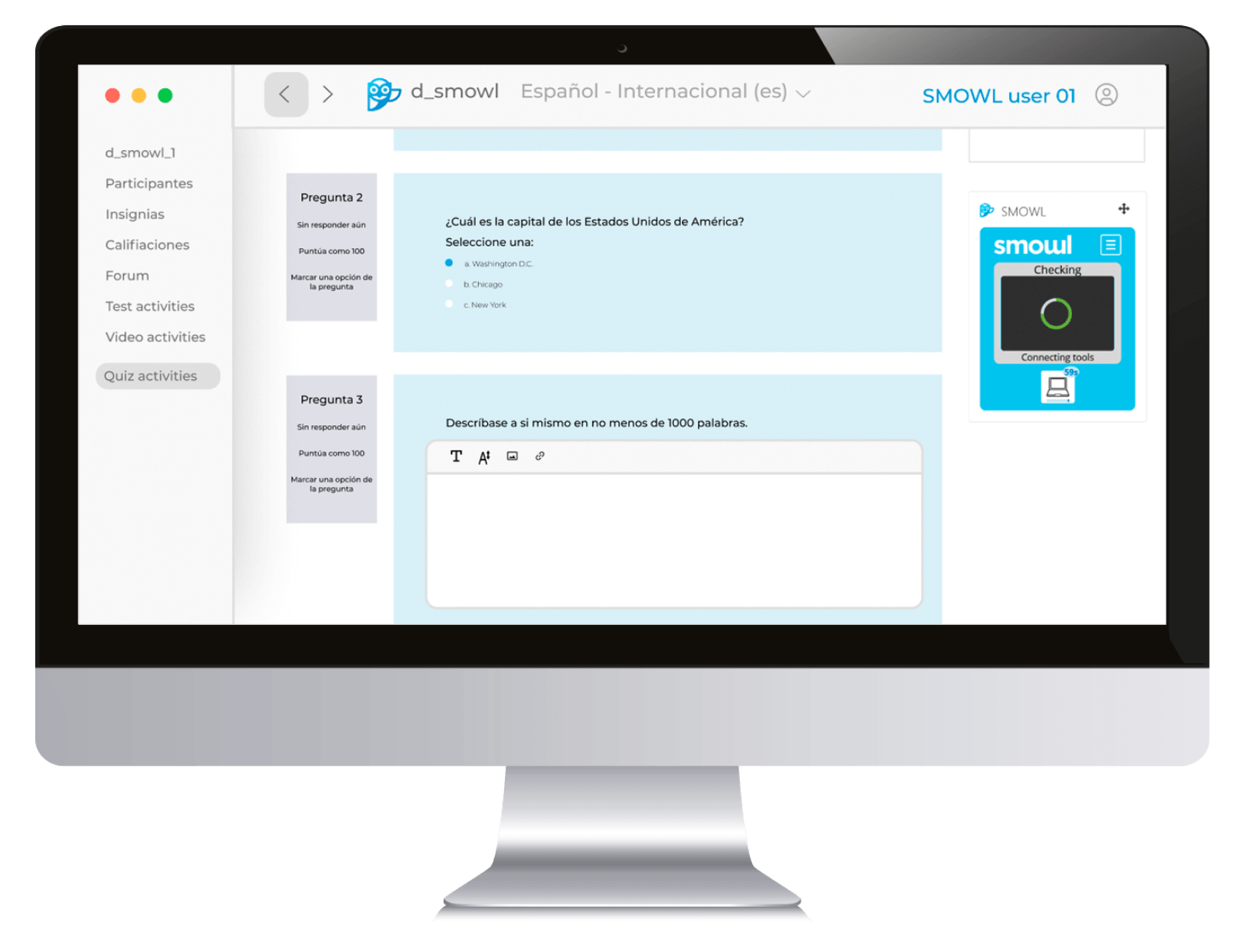
In the context of proctoring, digital solutions like SMOWL’s proctoring plans provide flexible, cost-effective, and scalable options for secure testing, meeting the needs of modern education and certification processes.
Do not hesitate to ask for a free demo. We will explain all the solutions we can offer you to boost your projects.
8 interesting facts about proctoring
Fill out the form and download the guide where we cover everything about online monitoring and help you choose the best software.