This initiative has led to significant changes for the Technical University of Darmstadt (TUDa).
During the COVID-19 pandemic, BYOD (Bring Your Own Device) was introduced for use in home office settings and on-site examinations. The results of this successful initiative resulted in these work outcomes being legally protected (hesHg §23).
This provides the opportunity for substantial changes at the Technical University of Darmstadt (TUDa).
Students and faculty utilize BYOD’s flexibility and efficiency by relying on TUDa devices.
What is BYOD?
BYOD enhances learning experiences and, for many students, improves exam experiences. Students use their own devices, facilitating access to course materials and collaboration. In exams, the familiar feel of BYOD plays a crucial role. This approach fosters a more interactive and engaging educational environment.
Moreover, BYOD reduces the need for university-provided hardware and significantly lowers costs.

The BYOD E-Exams project at TUDa: an overview
Founded in 1877, the Technical University of Darmstadt (TUDa) is a renowned institution known for its pioneering contributions in engineering, including the world’s first chair in electrical engineering, computer science, and natural sciences.
With a rich history of innovation and excellence, TUDa has consistently adapted to the changing demands of education and research.
In recent years, especially in response to the challenges posed by the COVID-19 pandemic, the university has committed to digital transformation in examination processes.
A key aspect of this transformation has been integrating remote proctoring solutions to ensure the integrity and accessibility of exams on each student’s device (BYOD).
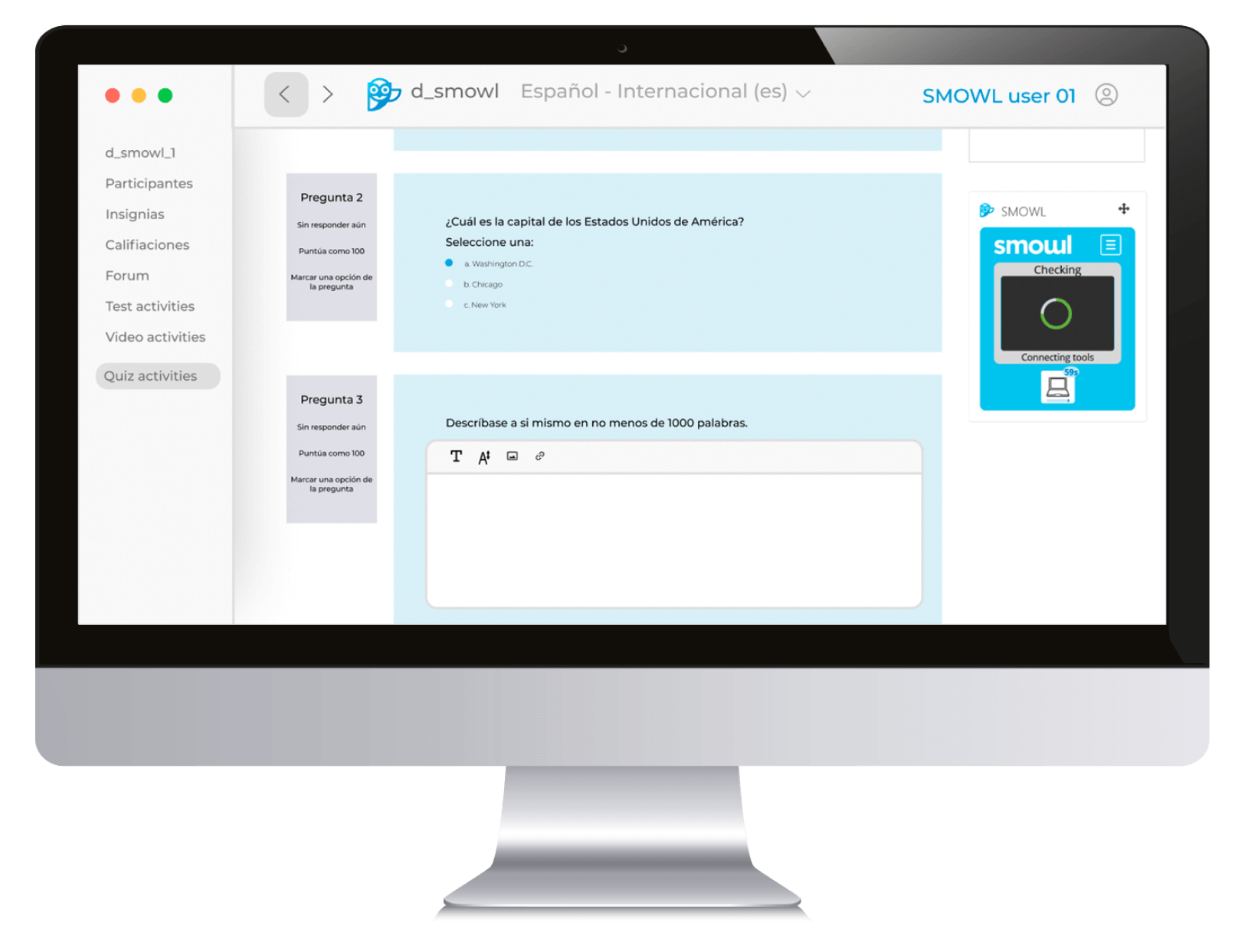
This commitment to innovation is exemplified by TUDa’s collaboration with SMOWL, a computer-based remote monitoring service with high workflow automation that has revolutionized the university’s examination processes and set a new standard for higher education institutions worldwide.
Do you want to stay on top of the latest trends in eLearning, EdTech, and Human Resources?
Fill out the form to receive our weekly newsletter with industry insights from our experts.
The journey of integrating SMOWL into TUDa’s examination system began in July 2019 with the initiation of the E-Exams project. This project was divided into three key phases:
- Requirements Engineering (2019): The first phase aimed to understand and document the requirements for transitioning to electronic exams. This phase laid the foundation for the project but had to be revised due to unforeseen impacts from the COVID-19 pandemic.
- Pilot Phase (2021): The second phase involved practical implementation and testing of remote examinations. This phase began in February 2021 and marked TUDa’s journey with SMOWL.
- Service Establishment (2023): The final phase aimed to establish e-exams as a standard service within the university. By summer 2023, SMOWL had been tested in two pilot examinations, making it the primary remote proctoring solution over the previous provider.

The Role of SMOWL in Transforming Exams in BYOD devices
The Technical University of Darmstadt chose SMOWL for several compelling reasons:
- Highly Automated Proctoring Workflow with Dual Webcam Support: SMOWL’s ability to effectively implement a dual webcam setup and seamless integration with Moodle made it an attractive option. Connecting the second camera via QR code and smart device is very contemporary. This feature ensures a higher level of security and supervision during exams compared to systems with only one camera.
- European Data Protection Standards: As a European service, SMOWL complies with strict data protection regulations such as GDPR, which are crucial for processing sensitive information. After an extensive review process, TUDa confirmed the security of sensitive student information.
- Efficient Registration Process: SMOWL’s optimized registration process significantly reduces administrative burdens and increases overall efficiency in exam management.
- Very Efficient Supervision of Computer Usage through Event Filtering: CM mass validation has strong approaches to quickly handle common similar events within an investigation cohort.
Use Cases for Remote Proctored Exams at TUDa
TUDa has identified four main use cases for remote proctored exams that address different needs and scenarios:
- Choice Type: In this model, students can choose whether to take exams in person or remotely on their own device (BYOD system). This flexibility is particularly beneficial for large cohorts where logistical challenges may arise due to limited seating and resources.
- Application Type: For regular exams, students can apply to take proctored exams remotely. This system addresses individual needs. With this procedure, issues such as mobile BYOD failures or inability to travel can also be resolved even after the original selection deadline has passed.
- Special Requests: This category caters to students with special needs, such as extended exam durations, quiet environments, or use of specific hardware/software like reading or dictation functions. Proctored exams at a location of their choice often provide the best solution in these cases and are easy to implement.
- Entrance Exams: Remote proctored exams offer prospective students, especially international applicants, a convenient way to take entrance exams without having to travel. Here, remote supervision rates are consistently around 99%. This has significantly increased application numbers in participating departments.
Implementation and Operation of SMOWL in BYOD systems
The COVID-19 pandemic was a major catalyst for accelerating the adoption of remote exams. At the pandemic’s peak, between 65% and 100% of students chose remote supervision for choice-type exams, highlighting the potential and acceptance of remote supervision for maintaining academic continuity.
The integration of SMOWL plugins into TUDa’s Moodle instance for e-exams proceeded smoothly, with the Moodle team expressing satisfaction with its straightforward setup. The integration includes various user roles within Moodle to ensure that different stakeholders can access relevant functionalities and information.

Feedback and Improvements
TUDa’s experiences with SMOWL have led to several insights and suggestions for further improvements:
- Additional Camera Checks: Implementing checks for external cameras and providing guidance on camera settings could enhance user experience.
- Microphone Functionality: Improving microphone checking processes would allow users to select and test their devices more effectively, reducing technical issues during exams.
- Feedback Mechanisms: Introducing a feedback function to alert students about unwanted noises during exams can help maintain exam integrity, along with a chat system between university support teams and exam supervisors for inquiries, questions, and announcements.
- Administrative Controls: Features like reinitiating registration processes for rejected entries and providing reasons for rejections can streamline administrative tasks and CM mass validations such as copy-paste analyses.
Future Directions and Conclusion
Looking ahead, TUDa plans to further expand its use of remote proctored exams. This includes integrating AI-driven feedback assistance into teaching along with associated evaluation suggestions for essays, introducing methods for scheduling flexibility in student exams, and expanding capacities within the e-exam team.
These initiatives aim to create a more adaptable and efficient examination system that meets diverse student needs within their BYOD systems.
The collaboration between the Technical University of Darmstadt and SMOWL exemplifies how technological innovation can revolutionize traditional educational processes. By implementing remote supervision, TUDa has improved accessibility, security, and flexibility in its examinations, setting a benchmark that other institutions can follow.
As the E-Exams project continues to evolve, it promises further integration of innovative solutions ensuring that TUDa remains at the forefront of educational excellence.
8 interesting facts about proctoring
Fill out the form and download the guide where we cover everything about online monitoring and help you choose the best software.