Achieving inclusive education is not — and should not be — just an ideal; it is a necessity to build a fairer and more equitable society.
Classrooms are a reflection of society where diversity is a reality: each student has unique needs, abilities, and ways of learning.
Given this context, the concept of an inclusive classroom emerges as an effective response to ensure that all children and young people, regardless of their individual characteristics, have the same opportunities to learn and fully develop.
In this article, we delve into what it means to promote inclusion in the classroom, from basic principles to practical strategies that teachers can implement.
We also analyze how collaboration between teachers, families, and specialists can overcome challenges and create truly inclusive educational environments.
If you’ve ever wondered how to transform your classroom into an open, diverse, and accessible space for everyone, this article offers you the keys to achieving it.

What is an Inclusive Classroom?
An inclusive classroom is an educational space where all students, regardless of their characteristics, needs, or abilities, have the opportunity to learn, participate, and fully develop.
In such classrooms, diversity is not only respected but seen as a strength that enriches the teaching and learning process.
Inclusion goes beyond accepting differences; it involves adapting the environment, teaching strategies, and resources to ensure that every student has equal opportunities for academic and personal success. This includes students with disabilities, cultural diversity, gender, sexual orientation, specific learning needs, and more.
Why is Inclusion in Classrooms Important?
Inclusion in classrooms is essential for building an inclusive, equitable and respectful society. Providing equal opportunities from basic education promotes values like empathy, tolerance, and respect for differences.
Moreover, an inclusive approach helps students develop important social and emotional skills for their future lives.
Many studies have shown that inclusive classrooms improve overall academic performance, strengthen interpersonal relationships, and foster a sense of community.
Numerous examples demonstrate how inclusion benefits the entire educational community. These include:
- Inclusive model schools: Institutions that implement advanced practices, such as personalized teaching, to ensure full participation of students with special needs.
- Specific projects: Initiatives like peer mentoring programs where students support each other, showing positive results in integration and academic performance.
- International examples: Countries like Finland and Canada stand out for their inclusive educational systems, prioritizing equal opportunities.
These cases inspire other schools and prove that inclusion is not only possible but also highly effective.
Benefits of an Inclusive Classroom
Why should your school adopt inclusive classrooms? Here are some key benefits for both students and teachers:
- Development of social skills: Students learn teamwork, respect for different perspectives, and conflict resolution.
- Positive environment: Bullying decreases, and solidarity increases.
- Greater creativity: Diversity enriches activities by incorporating varied ideas and perspectives.
- Academic performance: Inclusive strategies benefit all students, not just those with specific needs.
- Preparation for life: Promotes adaptation to diverse cultural and social contexts.

Challenges of Inclusion and How to Overcome Them
Like any endeavor, implementing inclusion in classrooms comes with challenges. However, with the right strategies, these challenges can become opportunities.
Main challenges:
- Lack of resources: Some schools lack tools or specialized staff.
- Resistance to change: Teachers, families, or students may hold biases or lack knowledge about inclusion.
- Teacher overload: Inclusive planning can require more time and effort.
Practical solutions:
- Seek support from educational or governmental organizations offering resources.
- Raise awareness in the school community through workshops and campaigns.
- Encourage collaboration among teachers to share ideas and reduce workload.
What Do Inclusive and Open Classrooms Have in Common?
While the terms “inclusive classroom” and “open classroom” may overlap, they are not the same.
Both concepts share the goal of ensuring all students can actively participate in the learning process, regardless of their characteristics or needs. However, they focus on different aspects of education:
| Aspect | Inclusive Classroom | Open Classroom |
| Main Objective | Ensure equitable participation and learning for all students, respecting diversity. | Promote flexibility and autonomy in learning without traditional schedules or methods. |
| Flexibility | Adaptation of teaching strategies and resources to specific needs of each student. | Flexible spaces and schedules tailored to activities and needs. |
| Active Methodologies | Promotes collaborative work and personalized learning. | Uses approaches like problem-based learning to engage students actively. |
| Use of Resources | Adapted tools, like assistive technologies and accessible materials. | Digital and technological resources for self-exploration and autonomous learning. |
| Participation | Encourages social and academic integration of all students, valuing individual differences. | Promotes active participation and student autonomy in learning. |
| Common Focus | Create an equitable environment where all students can thrive. | Foster a dynamic and accessible setting that encourages creativity and exploration. |
Do you want to stay on top of the latest trends in eLearning, EdTech, and Human Resources?
Fill out the form to receive our weekly newsletter with industry insights from our experts.
How to Create an Inclusive Classroom Layout
Creating an inclusive classroom requires principles like respect, equity, and collaboration. Teachers must adopt a flexible mindset and adapt their methods to meet the needs of all students.
Diversity should be seen as an opportunity for mutual learning. Celebrating special dates, recognizing different cultures, and fostering inclusive language are effective practices. It’s also important to avoid stereotypes and biases.
Strategies for Inclusion:
- Group dynamics: Activities like debates, role-playing, and collaborative projects foster interaction and inclusion.
- Participatory methodologies: Techniques like project-based learning or service-learning connect students with real-world experiences.
- Diverse assignments: Providing options for tasks allows students to choose based on their interests and abilities.
Additionally, recognizing and celebrating individual and group achievements strengthens everyone’s self-esteem.
Strategies to Promote Inclusion in the Classroom
Achieving true inclusion requires planning activities that cater to different learning styles, such as:
- Visual resources for students with hearing difficulties.
- Braille texts or audiobooks for visually impaired students.
- Group dynamics that allow active participation from all students.
Cooperative learning fosters integration by assigning roles based on students’ strengths, building stronger relationships, and overcoming social barriers.
Technology can also be a great ally. Tools like accessible educational apps, screen-reading software, or adaptive platforms facilitate learning for students with specific needs.
The Role of Teachers in Inclusive Classrooms
Teachers play a fundamental role in creating and maintaining inclusive classrooms. Their attitude, training, and adaptability are key to ensuring all students feel valued and supported.
- Inclusive attitude: Teachers must model respect and acceptance, fostering an environment where differences are seen as strengths.
- Continuous training: Teachers need ongoing training in inclusive strategies, such as assistive technologies or group dynamics.
- Pedagogical adaptation: Teachers should design curricula that integrate diverse needs, tailoring methodologies to student profiles.
Inclusive teachers also collaborate with professionals like psychologists or therapists to provide comprehensive support, ensuring no student is left behind.
Curriculum Adaptations: What Are They and How to Implement Them?
Curriculum adaptations are changes in content, teaching methods, assessment, or the environment to address specific student needs. They enable students with difficulties to achieve learning objectives.
Types of Curriculum Adaptations:
- Access adaptations: Changes in the physical environment or materials to facilitate participation, such as ramps or digital boards.
- Significant adaptations: Alterations to goals or curriculum content based on student abilities.
- Non-significant adaptations: Adjustments in methodology or activity duration without modifying core content.
Implementation requires an initial student assessment and collaboration with families and specialists.

How to Involve Families in Inclusive Education
Family involvement is crucial for the success of an inclusive classroom. When parents and caregivers are engaged, students feel more supported and motivated.
Strategies for Family Collaboration:
- Consistent communication: Keep families informed about their child’s progress and needs through regular meetings or digital platforms.
- Workshops and talks: Organize activities to educate families about inclusion and how they can support from home.
- Participation in school activities: Involve parents in projects or events to strengthen the sense of community.
Inclusion is a joint effort among teachers, students, and families. Effective communication, avoiding overly technical language, and using visual aids like images and videos can make concepts clearer and build stronger relationships.
SMOWL: Taking Inclusion to the Next Level
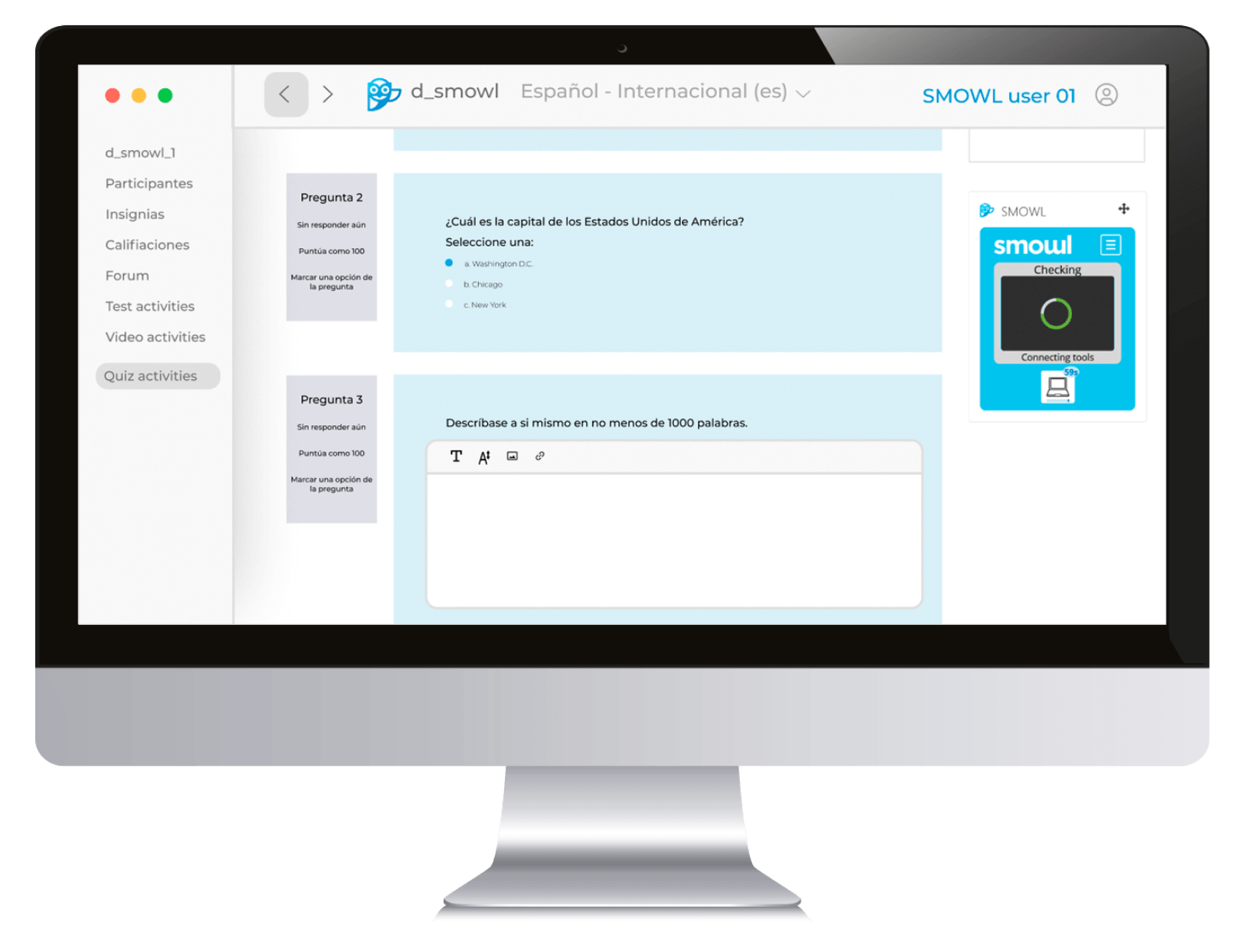
If you want to elevate inclusion and flexibility in your classroom, SMOWL’s proctoring plans are the perfect tool for you. This advanced system combines accessible and adaptable technology, enabling inclusive supervision, fair assessments, and remote learning.
With SMOWL, you can ensure that all students, regardless of their conditions or locations, have access to reliable and personalized assessments, fostering digital inclusion.
Get your free demo today and explore how this solution can benefit your educational institution or company.
8 interesting facts about proctoring
Fill out the form and download the guide where we cover everything about online monitoring and help you choose the best software.