In today’s digital era, the demand for remote learning and assessment has surged, leading to the rise of virtual proctoring as a reliable solution.
Virtual proctoring, also known as online or remote proctoring, is a method of monitoring individuals taking exams remotely, ensuring the integrity and security of the assessment process.
What is virtual proctoring?
Virtual proctoring entails the use of technology to oversee and authenticate candidates during online exams or assessments.
It substitutes traditional in-person proctoring methods, offering convenience and flexibility to both examinees and proctors. This approach has gained traction across various sectors, including education, certification exams, and professional training programs.

How virtual proctoring works
The process of virtual proctoring involves the use of specialized software and hardware to monitor examinees remotely.
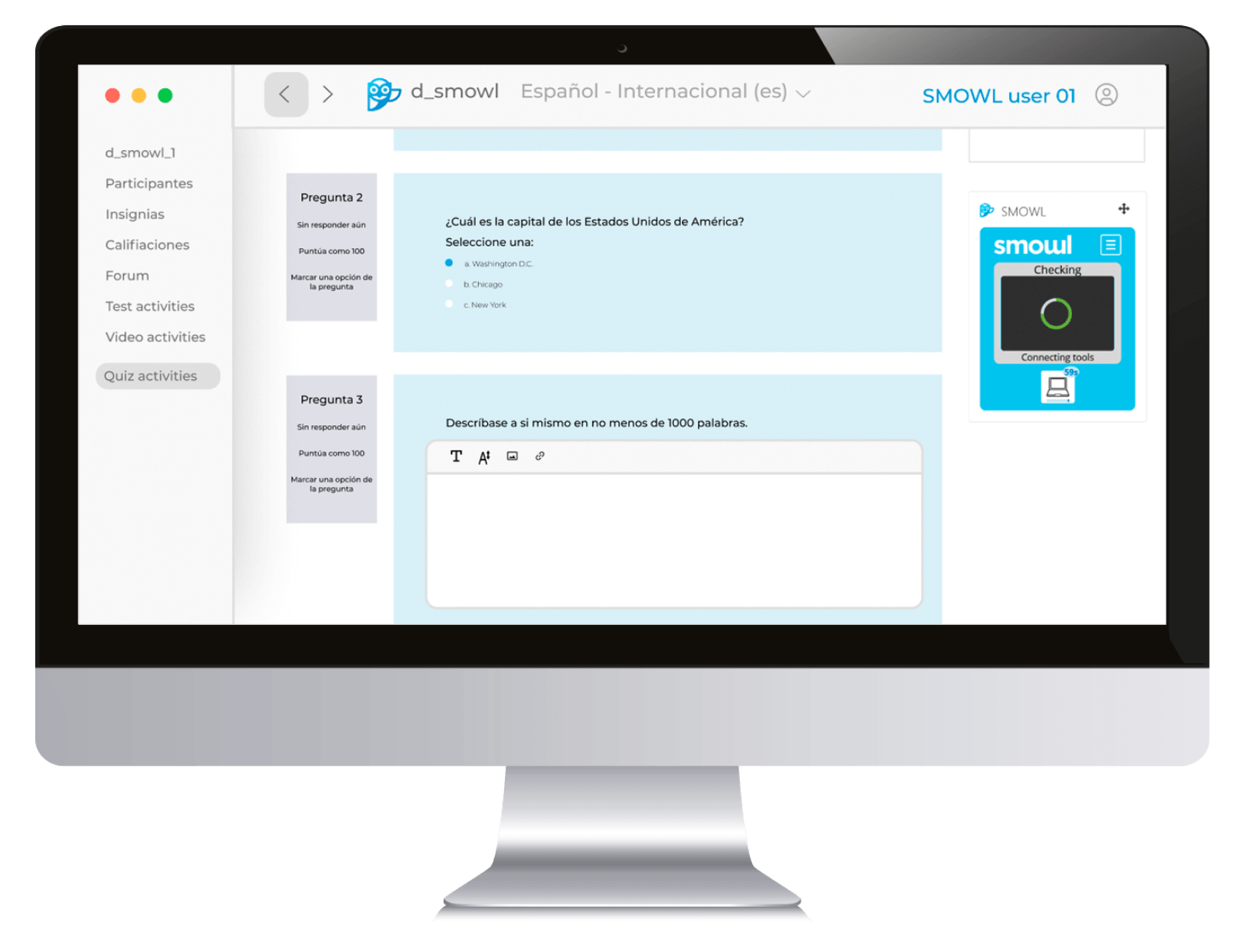
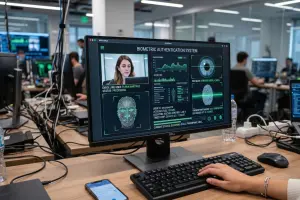
Typically, candidates must install proctoring software on their devices, which monitors their activities via webcam, microphone, and screen recording. Additionally, biometric authentication measures may be employed to verify candidates’ identities.
Security measures such as browser lockdown, user authentication, and keystroke analysis are implemented to prevent cheating and ensure the integrity of the assessment process.
Advantages of virtual proctoring
Virtual proctoring offers several advantages over traditional in-person proctoring methods.
- Firstly, it provides flexibility for candidates, allowing them to take exams from any location with an internet connection. This eliminates the need for travel and accommodation expenses associated with in-person exams.
- Moreover, virtual proctoring is cost-effective for institutions, as it reduces the need for physical infrastructure and personnel required for traditional proctoring methods.
- Additionally, it enhances accessibility for individuals with disabilities or those residing in remote areas, enabling them to participate in assessments without barriers.
Challenges and concerns
Despite its benefits, virtual proctoring also poses certain challenges and concerns. Privacy issues arise due to the extensive monitoring of candidates’ activities during exams, raising questions about data security and confidentiality. Technical glitches such as internet connectivity issues or software malfunctions can disrupt the exam process and cause frustration for both candidates and proctors.
Furthermore, there is a risk of impersonation, where individuals may attempt to cheat by having someone else take the exam on their behalf. This highlights the importance of robust authentication measures and vigilant proctoring to detect and deter fraudulent behavior.
Comparing virtual proctoring with traditional methods
When comparing virtual proctoring with traditional in-person proctoring methods, weighing the pros and cons of each approach is essential. While virtual proctoring offers greater flexibility and accessibility, traditional methods provide a more controlled environment with face-to-face supervision.
The suitability of each method depends on factors such as the nature of the exam, the level of security required, and the stakeholders’ preferences.

Applications of Virtual Proctoring
Virtual proctoring finds applications across various sectors, including education, certification exams, and professional training programs.
It enables institutions to conduct online exams securely in the education sector, accommodating the growing demand for remote learning.
Certification bodies utilize virtual proctoring to administer exams globally, ensuring the integrity and standardization of assessments.
Professional training programs leverage virtual proctoring to monitor compliance exams and certifications, ensuring that participants meet industry standards and regulations.
Certain best practices should be followed to ensure the effective implementation of virtual proctoring. This includes providing comprehensive training for proctors to familiarize them with the software and protocols involved.
Clear guidelines regarding the exam process should be communicated to candidates, including technical requirements, authentication procedures, and behavior expectations.
Continuous improvement and feedback mechanisms should be in place to address any issues or concerns raised by stakeholders and enhance the overall user experience.
Do you want to stay on top of the latest trends in eLearning, EdTech, and Human Resources?
Fill out the form to receive our weekly newsletter with industry insights from our experts.
Trends in virtual proctoring
The future of virtual proctoring is marked by technological advancements and increased integration with artificial intelligence (AI) and machine learning. These developments aim to enhance the accuracy and efficiency of proctoring systems while minimizing the burden on human proctors.
Moreover, the global adoption of virtual proctoring is expected to rise as organizations and institutions embrace digital transformation initiatives and seek innovative solutions for remote assessment.
As virtual proctoring becomes more prevalent, ethical considerations such as fairness, impartiality, and transparency must be addressed.
Measures should be implemented to ensure that the assessment process is free from bias and discrimination and that candidates’ rights to privacy and data protection are respected.
Transparency in proctoring procedures and the use of data should be prioritized to build trust and confidence among candidates and stakeholders.
Regulatory framework
The regulatory framework surrounding virtual proctoring is evolving to address the legal and compliance requirements associated with remote assessment. Institutions and organizations must adhere to data protection regulations (like GDPR in Europe) and privacy laws when implementing proctoring solutions.
Moreover, guidelines and standards should be established to ensure proctoring technologies’ ethical and responsible use.
User experience in virtual proctoring
The user experience plays a crucial role in the success of virtual proctoring systems. User-friendly interfaces and intuitive design contribute to a positive candidate experience, reducing anxiety and stress associated with online exams.
Additionally, providing adequate support systems and resources for candidates can help address technical issues and ensure a smooth exam process.

Impact of virtual proctoring on cheating
By implementing rigorous security measures and monitoring techniques, virtual proctoring has effectively deterred cheating and academic misconduct.
However, its impact on cheating dynamics is subject to ongoing scrutiny and evaluation.
Research studies and empirical evidence are essential to assess the effectiveness of proctoring solutions in promoting academic integrity and preventing cheating behavior.
Feedback and improvement
Gathering feedback from candidates and stakeholders is critical for identifying areas of improvement and enhancing the effectiveness of virtual proctoring systems.
Continuous evaluation and iteration of proctoring protocols and technologies are necessary to address emerging challenges and meet the evolving needs of users.
In conclusion, virtual proctoring represents a significant advancement in assessment technology, offering a secure and flexible solution for remote exams.
Despite challenges and concerns, its benefits in terms of accessibility, cost-effectiveness, and scalability make it a valuable tool for institutions and organizations worldwide.
By adhering to best practices, addressing ethical considerations, and prioritizing user experience, virtual proctoring tools like SMOWL can continue to transform assessment in the digital age.
Request a free demo and let your company and institution join the virtual proctoring revolution!
8 interesting facts about proctoring
Fill out the form and download the guide where we cover everything about online monitoring and help you choose the best software.